Herbs to plant
March is the best month in Atlanta to get cool-season herbs started. Cilantro, dill, and parsley all prefer soil temperatures between 50 and 70 degrees, which is exactly what Atlanta delivers in March, making direct-sowing these seeds now far more successful than waiting until warm weather arrives.
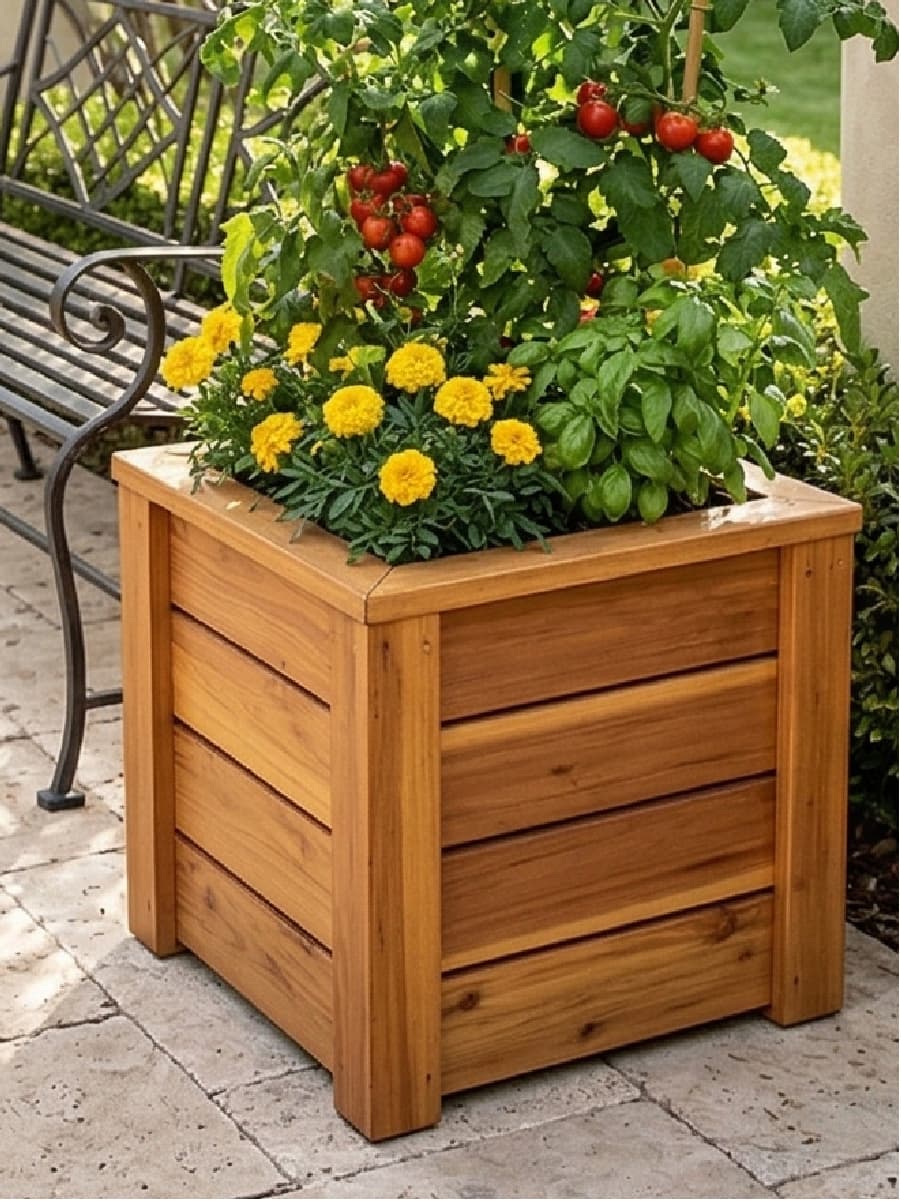
Cilantro is the one herb that genuinely prefers Atlanta's spring over its summer. Sow Calypso or Santo seeds directly in The Two by Two at 12" depth for a harvest that starts in about 3 to 4 weeks. Once temperatures climb above 85 degrees in late May and June, cilantro bolts and the harvest window closes, so planting early and harvesting often is the right strategy.
Dill seeds can go directly into a Two by Two planter this month. Fernleaf dill is a compact variety that stays around 18 inches tall and produces more tender foliage than the standard Bouquet variety. Parsley seeds take 2 to 3 weeks to germinate, so a March sowing gives you harvest-ready plants by May. Italian flat-leaf parsley has better flavor for cooking than curly parsley, though both perform equally well in Atlanta's spring.
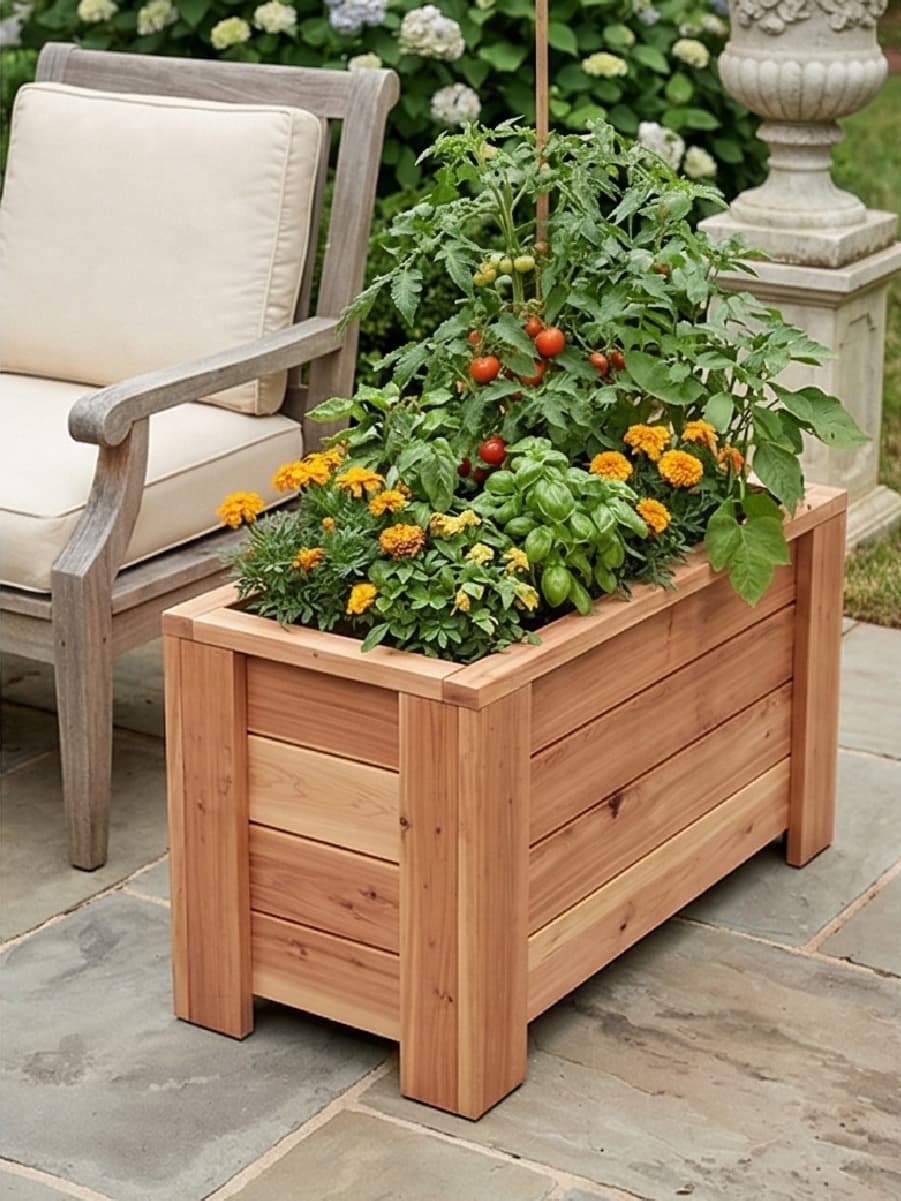
Chives, oregano, and thyme transplants all go out in March without issue. These Mediterranean perennials actually enjoy cool temperatures and will establish strong root systems before the heat arrives. Thyme and oregano only need 6 to 8 inches of depth, so The Two by Two at 12" depth works fine. Chives are equally happy in shallow containers and will reward you with harvestable leaves within a few weeks of transplanting.
Flowers to plant
Atlanta's March weather is ideal for cool-season flowers that struggle once summer heat arrives. Pansies, snapdragons, and dianthus are all excellent choices for planters on covered porches, patios, or anywhere that gets morning sun with some afternoon shade.
Pansies are arguably Atlanta's best winter-to-spring flower. They survived the winter if you planted them in fall, and the warming March temperatures trigger a flush of new blooms. If you're starting fresh, plant pansy transplants now for color through May. Sorbet and Delta varieties are particularly heat-tolerant, extending their bloom season a few weeks longer than standard pansies.
Snapdragons are cool-season plants that bloom beautifully in March and April before Atlanta's heat shuts them down. Rocket series snapdragons grow 3 feet tall and make a striking statement in a taller Two by Four planter. Dianthus (sweet William) is another excellent choice, offering spicy-fragrant blooms in shades of pink, red, and white that persist through May.
For summer color, start zinnia and cosmos seeds indoors in March. Both germinate quickly (5 to 7 days) and will be transplant-ready by April 15 when frost risk has passed. Starting them indoors gives you 6 to 8 weeks of headstart on the summer bloom season.
Vegetables to plant
March is genuinely the most productive planting month of Atlanta's cool season. The soil is warming, days are getting longer, and you have a wide window before summer heat ends the cool-season garden.
Radishes are the fastest return on investment in container gardening. Cherry Belle and French Breakfast varieties are ready to harvest in just 22 to 25 days from direct-sowing in The Two by Two at 12" depth. Sow a small patch every 2 weeks through March and April for a continuous harvest rather than one big glut.
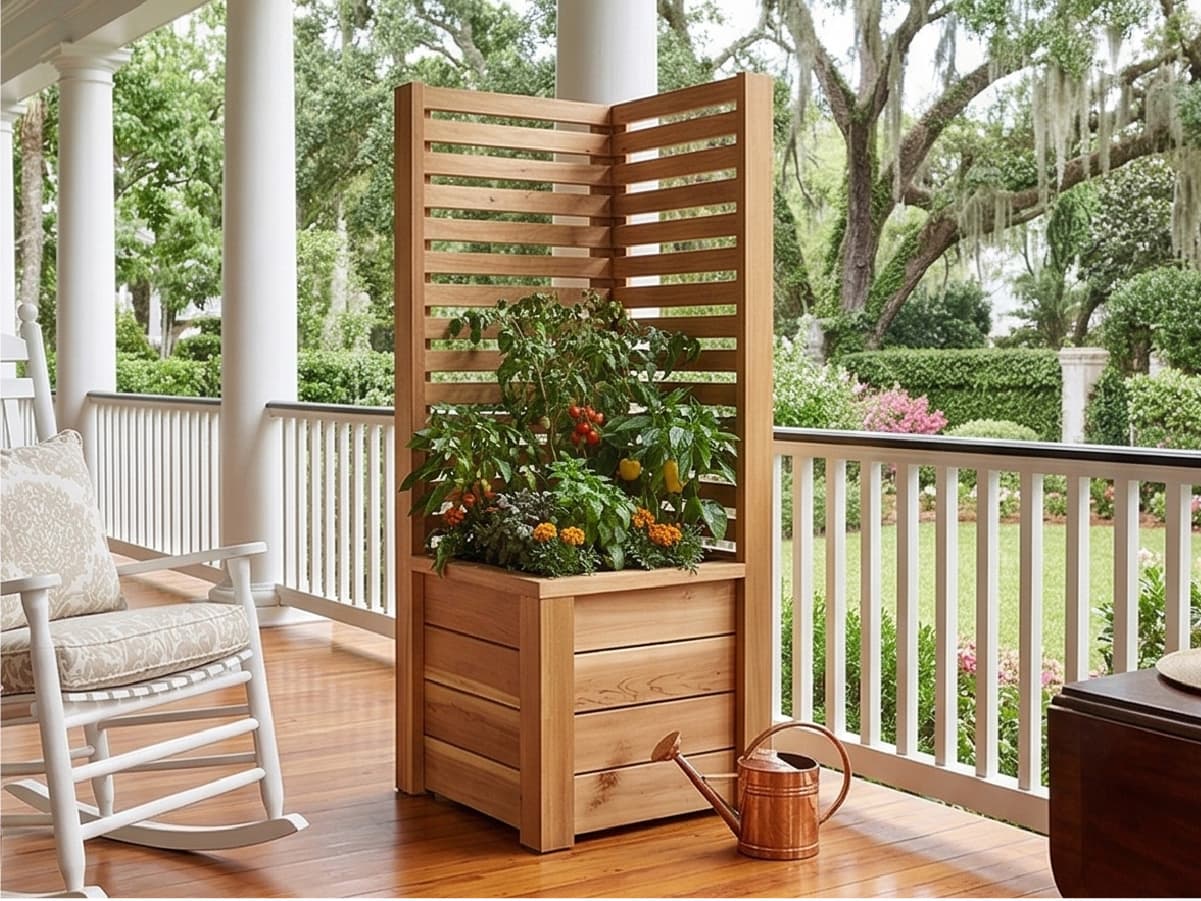
Lettuce, spinach, and peas all prefer cool soil and can be direct-sown now. Buttercrunch and Little Gem are Atlanta-reliable lettuce varieties that handle some heat before bolting. Bloomsdale spinach is a savoy (crinkled-leaf) variety with good flavor and good bolt resistance. Sugar Snap peas need a trellis or stake since they climb — The Arbor is ideal — but they reward you with edible pods in about 60 days.
Carrots can be direct-sown in March into a Two by Two at 12" depth (they need at least 10 to 12 inches of depth for good root development). Nantes and Chantenay varieties are shorter, stouter carrots that do well in container depth limitations. Loose, stone-free potting mix is essential since rocks and compaction cause forked roots.
Kale, chard, and broccoli transplants go out now without any frost protection. All three are hardy in Atlanta's March temperatures and will establish quickly. Lacinato (dinosaur) kale and Bright Lights Swiss chard are both beautiful and productive. For broccoli, Belstar is a container- friendly hybrid that produces a nice central head followed by side shoots.
Fruits in season
March is the ideal time to plant strawberry crowns in Atlanta containers. June-bearing varieties like Chandler and Camarosa produce one large crop in late May and June, while day-neutral varieties like Albion and Seascape produce smaller crops continuously through the growing season. Both work well in the Two by Two planter, which gives each crown enough room to send out runners.
Plant crowns with the crown (the point where roots meet the plant) at soil level, never below it. Buried crowns rot quickly. Strawberries appreciate a light layer of straw mulch to keep berries off wet soil, which also prevents the fruit spotting that comes from soil splash during rain.
Care tasks this month
Frost is still possible through April 15, so keep a watch on the forecast. A few nights below 28 degrees Fahrenheit can kill tender transplants even after a stretch of warm March weather. The easiest protection is a layer of frost cloth (also called row cover) draped over planters on cold nights. Cedar planters offer good insulation because wood holds heat better than plastic, but they're not magic against a hard freeze.
Refresh the potting mix in any cedar planters that went through the winter. Mix that's been sitting for more than a year loses structure and drainage. Top-dress with an inch of compost and work in some slow-release fertilizer before planting. Your cool-season crops will thank you.
March is also the right time to divide chive clumps that have been in the same container for two or more years. Dig out the whole clump, separate into sections, and replant. This reinvigorates production and keeps the plants from becoming too crowded and weak.
What to harvest
If you planted cilantro in February, it may be ready to harvest now. Cut outer leaves and stems, leaving the center growing point intact, and the plant will continue producing for several more weeks before it eventually bolts.
Rosemary and thyme planted in previous seasons are actively growing in March and can be harvested freely. Snip sprigs from the outer portions of the plant, never removing more than a third of the total plant at once. Both perennials respond to light pruning by pushing out new, tender growth.
Overwintered kale and chard often have their best leaves in March. The mild temperatures improve flavor in both plants, as cold temperatures convert starches to sugars in leafy greens. If you left any kale in containers through winter, harvest the outer leaves generously before the plants get too far into their spring flowering sequence.