Herbs to plant
April is Atlanta's biggest herb-planting month, split neatly in half by the April 15 last frost date. Early April is still cool-season herb territory; after the 15th, the warm-season herbs you've been waiting on all finally get to go outside.
In early April, continue direct-sowing cilantro seeds. The harvest window for spring cilantro is narrowing as the month progresses, so get seeds in now. Calypso and Santo are the slow-bolt varieties that give you the best chance of harvesting before heat shuts the plants down in late May.
After April 15, basil transplants go out. Basil is the signature Atlanta summer herb, and it doesn't just tolerate heat — it thrives on it. Genovese basil is the classic for pesto and fresh pasta. Thai basil brings a spicier, slightly anise-forward flavor for Southeast Asian cooking. Plant in full sun with at least 6 to 8 hours of direct light, in a Two by Two at 12" depth.
Rosemary transplants can go out in April as well, and both spring and fall are good planting windows for it. Arp rosemary is cold-hardy to Zone 6, which means it will handle Atlanta's occasional deep winter freezes without trouble. Tuscan Blue is a taller upright variety with intense flavor and deep blue flowers. Rosemary needs a Two by Two or Two by Four at 18" depth for the root space it wants.
Mint transplants go out after April 15 in a dedicated container. A Two by Two at 12" depth works perfectly for mint — the contained space keeps its spreading habit in check. Spearmint suits cocktails and mint juleps (both very appropriate in Atlanta). Mojito mint has large, clean-flavored leaves. Chocolate mint smells exactly like after-dinner mints.
Flowers to plant
April's flower calendar pivots on the 15th just like the herb calendar. Cool-season flowers are still going strong in early April; warm-season annuals take over after the frost risk clears.
Pansies and snapdragons planted in March are in full bloom in early April. Enjoy them while they last — heat will end their run by late May. If the snapdragons get leggy, cut them back by a third to encourage bushier growth and more blooms before the season ends.
After April 15, lantana, pentas, and salvia are all excellent Atlanta container choices. Lantana is arguably the best heat-tolerant flowering plant for Atlanta containers. It blooms continuously in full sun through October with very little water and almost no maintenance. Pentas (Egyptian starflower) attracts butterflies and hummingbirds and holds up beautifully in Atlanta summer heat. Salvia, especially the red-flowered Victoria Blue and Hot Lips varieties, attracts pollinators and blooms prolifically.
After April 15, direct-sow zinnia seeds in containers or raised beds. Mix varieties for color and height diversity. Benary's Giant zinnias reach 3 to 4 feet and produce enormous cutting flowers. State Fair zinnias are similar. Profusion zinnias stay compact at 12 to 18 inches and are excellent in smaller planters. Zinnias germinate in 5 to 7 days and will be blooming within 8 weeks of sowing.
Coneflower (echinacea) transplants can go out in April. Coneflower is a native perennial that returns each year, tolerates heat and drought remarkably well, and attracts pollinators from June through September. Magnus and Cheyenne Spirit are reliable, widely available varieties.
Vegetables to plant
After April 15, the warm-season vegetable lineup opens up completely. This is one of the most exciting planting moments in the Atlanta gardening year.
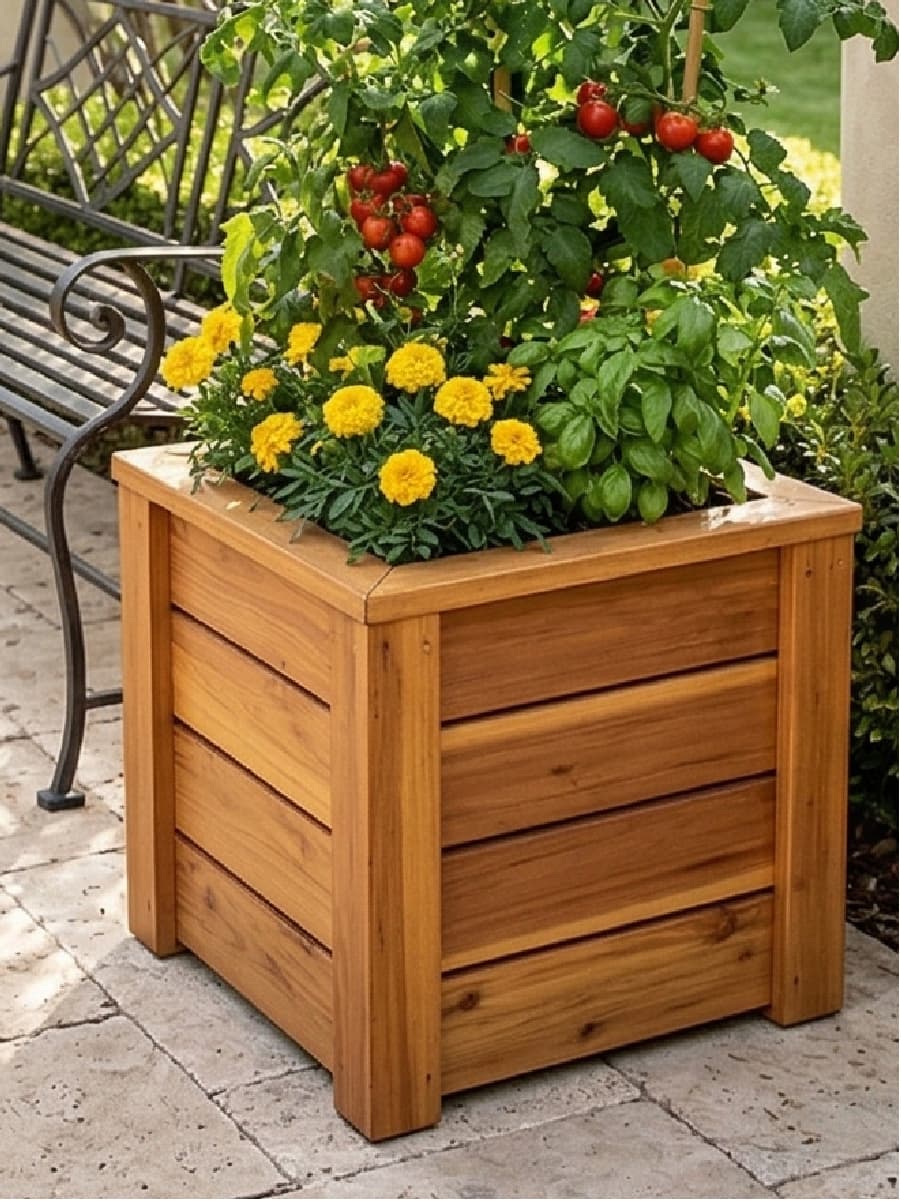
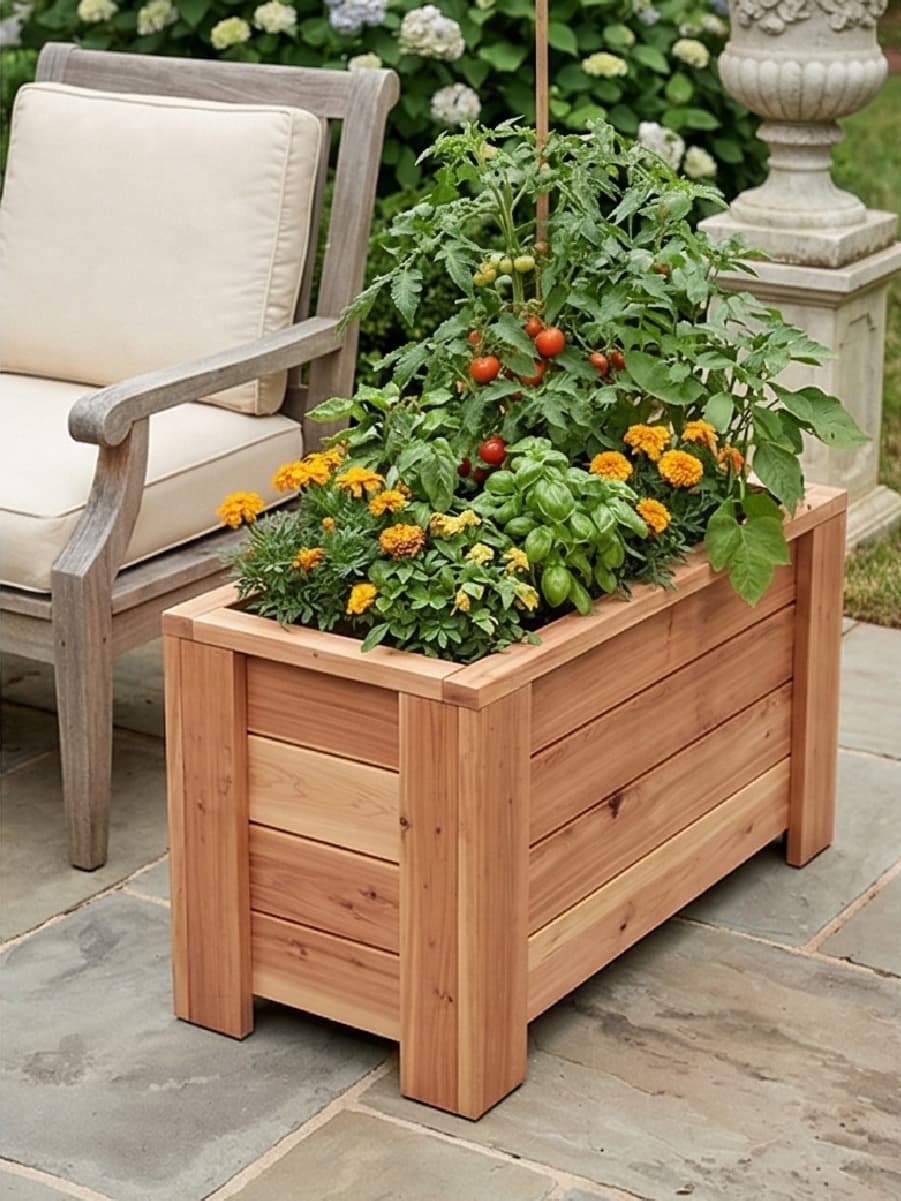
Tomato transplants go in after April 15. For containers, look for compact or determinate varieties. Celebrity and Bush Early Girl are both reliable determinate types that produce heavily in The Two by Four. Sweet 100 cherry tomatoes are prolific producers that work well in The Two by Four with a stake or cage for support. Full-size tomatoes need 18" planting depth, so The Two by Four at 18" depth is the right choice.
Pepper and eggplant transplants both go out after April 15. Bell peppers are slower producers in Atlanta's heat, but sweet banana peppers and Carmen peppers are faster and just as versatile in the kitchen. Eggplant absolutely loves Atlanta summers. Ichiban Japanese eggplant and Rosa Bianca are both container-friendly varieties that produce heavily through October.
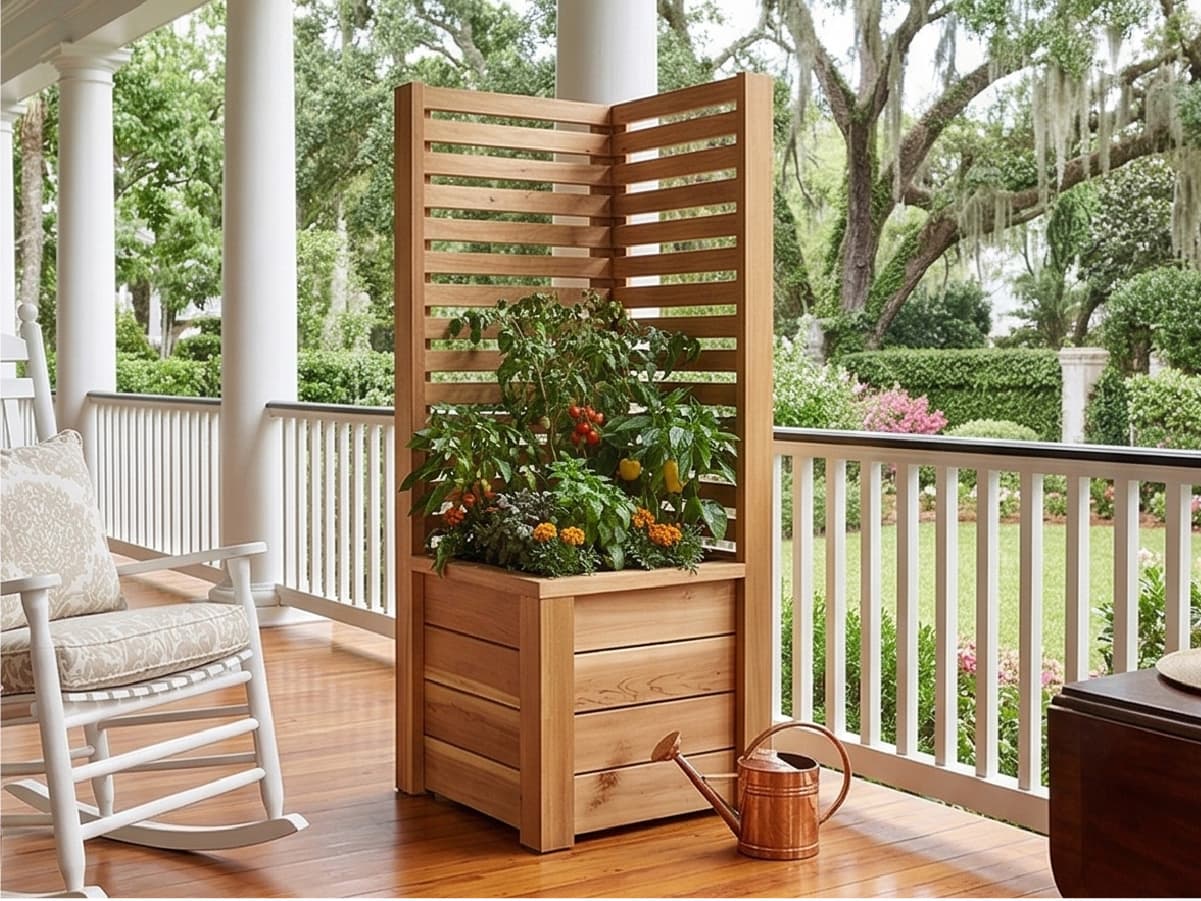
After April 15, direct-sow bush bean and cucumber seeds. Bush beans (Blue Lake 274 and Contender are reliable Atlanta varieties) germinate quickly in warm soil and produce heavily 50 to 55 days after sowing. Cucumbers need a trellis and at least 12 inches of depth — The Arbor works perfectly; Bush Pickle and Spacemaster are compact varieties suited to container growing.
Cool-season crops like lettuce, radishes, and spinach are wrapping up in April. Harvest everything you can before temperatures push above 80 degrees consistently, which is when bolting accelerates. Remove spent plants when they bolt and make room for summer crops.
Fruits in season
Early April is the last good window for planting strawberry crowns in spring. June-bearing varieties planted now will produce fruit in late May and June. Day-neutral varieties like Albion and Seascape will begin producing in early summer and continue through fall.
Blueberry bushes can go out in April if you're starting new containers. Blueberries need two different varieties for cross-pollination. O'Neal and Sunshine Blue are both semi-dwarf varieties suited to container growing. They prefer acidic soil (pH 4.5 to 5.5), so use a potting mix formulated for blueberries or acidify with sulfur.
Care tasks this month
Watch the 10-day forecast through April 15. A late cold snap below 32 degrees Fahrenheit can damage basil, tomato, and pepper transplants even after a stretch of warm weather lulls you into confidence. Keep frost cloth handy and use it on nights when temperatures are forecast below 35.
As temperatures warm through April, containers start drying out faster. Check soil moisture every 1 to 2 days for smaller planters. The rule of thumb is to water when the top inch of soil feels dry to the touch. Cedar planters regulate moisture better than plastic, but during warm stretches even cedar needs regular attention.
Top-dress containers with a light application of balanced slow-release fertilizer as you transplant warm-season crops. This gives plants a steady nutrient base for the first 2 to 3 months of the growing season without the burn risk that comes from over-applying liquid fertilizer.
What to harvest
Spring cilantro, parsley, lettuce, spinach, and radishes planted in March are all producing actively in April. Harvest lettuce by cutting outer leaves, leaving the center to continue growing. This cut-and-come-again method can extend the harvest for 4 to 6 weeks.
Chives, thyme, and oregano are in strong spring growth and ready for heavy harvests. Cut herb stems back to 2 to 3 inches above the soil to encourage new growth. Both thyme and oregano benefit from this kind of regular pruning to prevent them from getting woody.