Herbs to plant
May is basil month in Atlanta. The soil is warm, the nights are mild, and basil planted now will take off fast and produce heavily through October. Succession-planting basil every 3 to 4 weeks from May through July gives you a continuous supply of young, tender leaves rather than a few overgrown plants.
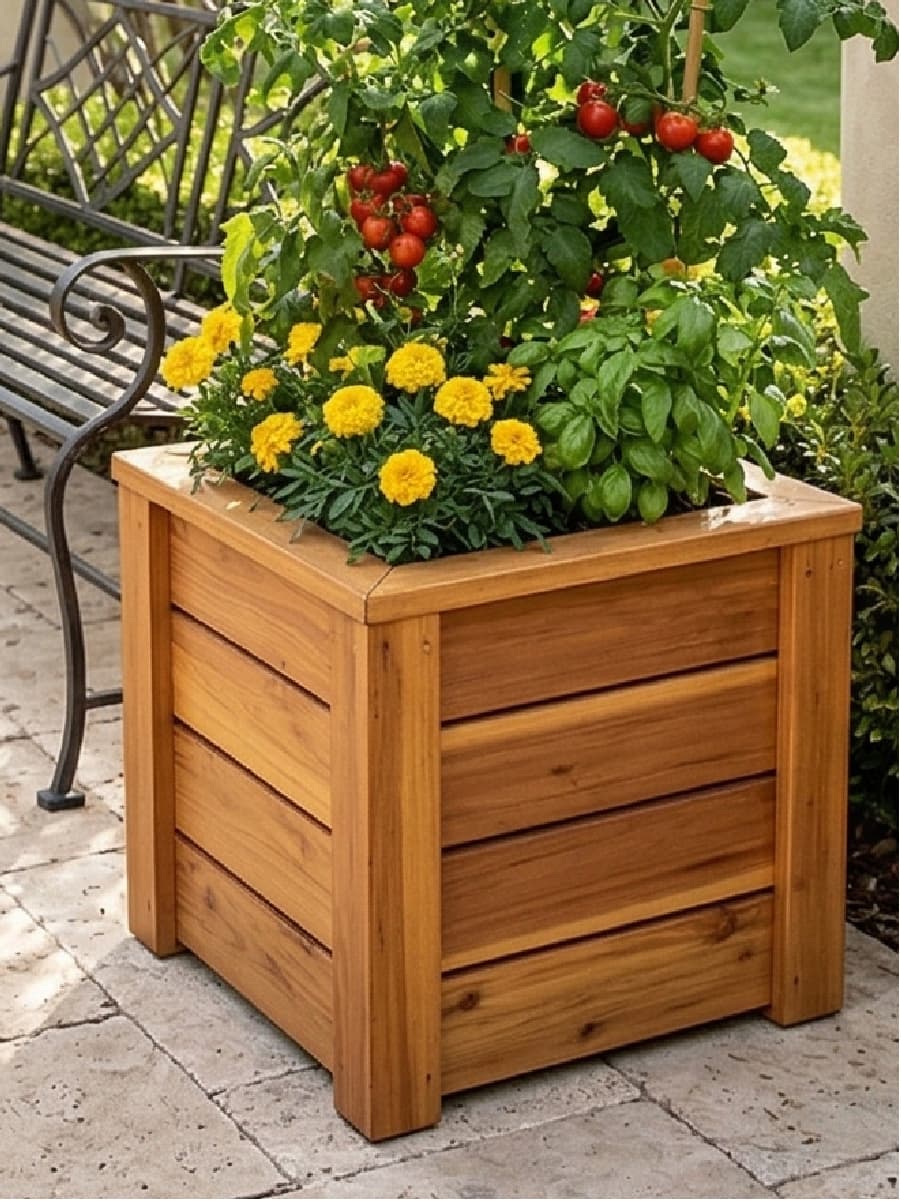
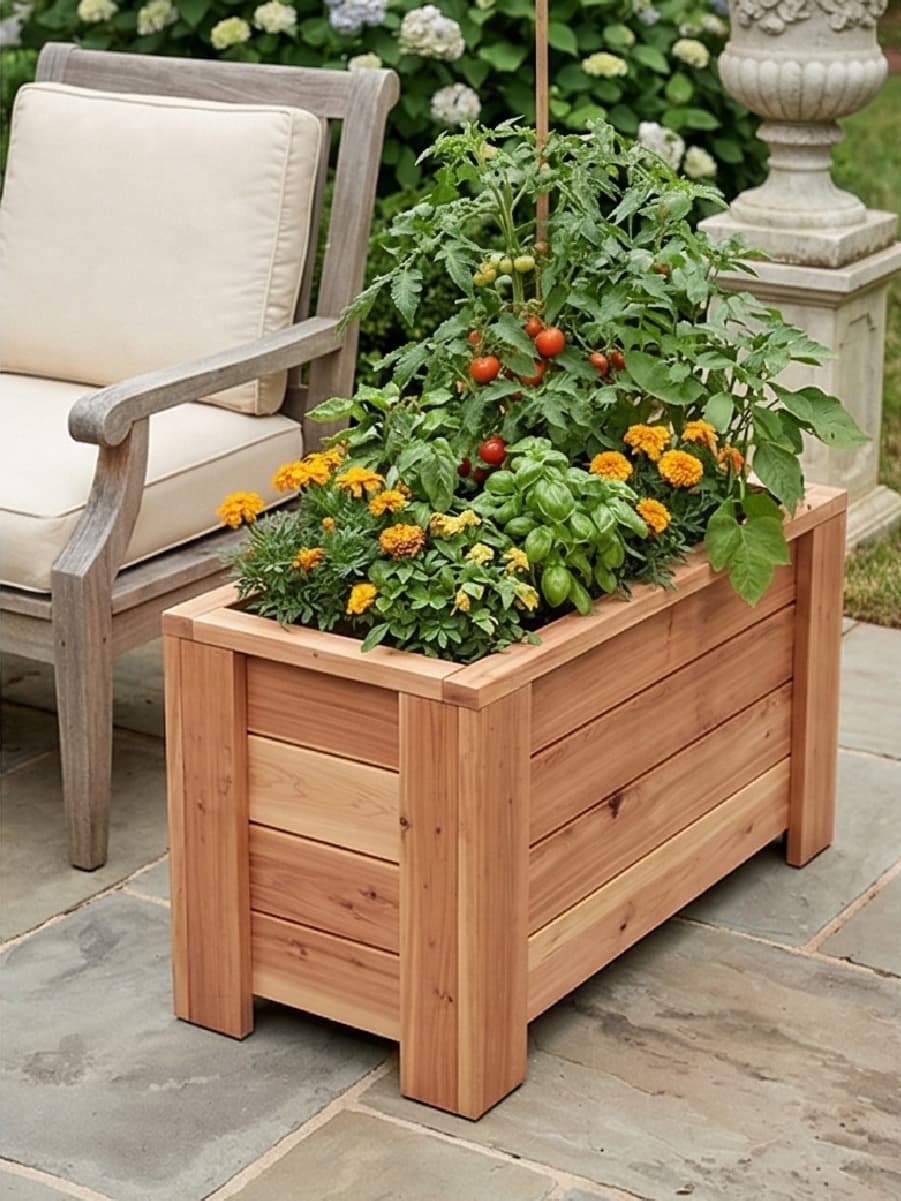
Genovese basil is the standard for pesto and Italian cooking, with leaves big enough to tear over caprese salad. Thai basil stays more upright with purple-tinged stems and has a spicier, anise-forward flavor. Lemon basil brings a citrusy note that works well in salads, fish dishes, and cocktails. All three can share a Two by Two or Two by Four planter with other warm-season herbs.
All the warm-season herbs are out and growing now. Mint, rosemary, and all the Mediterranean herbs planted in April are establishing themselves in their containers. If you missed the April planting window, May is still a fine time to add rosemary, thyme, oregano, and chive transplants to your garden. They'll establish quickly in May's warming soil.
May is the last month for a spring cilantro planting. Seeds sown in early May may give you a short harvest in late May before the heat triggers bolting, but you're largely racing the calendar at this point. A more productive approach is to wait and plant cilantro again in September for a longer, more reliable fall harvest.
Flowers to plant
May is when Atlanta's summer flower garden really hits its stride. The full roster of heat-tolerant annuals is in season and ready to plant, and many of them will bloom continuously until the first frost in November.
Zinnias direct-sown in May will be blooming by late June and early July. Benary's Giant and State Fair zinnias are showstoppers with flowers as large as 5 inches across. For containers, Profusion zinnias stay compact at 12 to 18 inches and are incredibly heat and drought tolerant. Sow seeds directly into a Two by Two or Two by Four planter in full sun.
Marigolds are one of Atlanta's most reliable container flowers and do double duty as pest deterrents. African marigolds grow tall (2 to 3 feet) with large, globe-shaped flowers. French marigolds stay compact at 6 to 12 inches and are better suited to smaller planters. Both prefer full sun and are nearly indestructible in Atlanta's summer heat.
Sunflowers can be direct-sown in May for summer bloom. Mammoth Russian sunflowers grow 8 to 10 feet tall and need a large, deep container (The Two by Four at 18" depth is the minimum) and wind protection. For containers, look for compact varieties like Sunspot or Italian White, which stay under 4 feet. Sow seeds in full sun and they'll germinate in 7 to 10 days.
Lantana, pentas, and salvia planted in late April are already growing vigorously. If you haven't planted them yet, May is still ideal. These three are the backbone of the Atlanta summer container garden because they bloom continuously, tolerate full sun and heat, and attract butterflies and hummingbirds.
Vegetables to plant
May opens up a whole second wave of warm-season vegetables that weren't ready to plant in April. Squash, zucchini, cucumbers, and okra all go into containers now, and they'll produce heavily through the summer.
Summer squash and zucchini are fast producers — Black Beauty zucchini and Yellow Crookneck squash produce their first fruits in just 48 to 55 days from direct-sowing. They need The Two by Four (the full 48x24 footprint) because the plants get large. Direct-sow 2 seeds per container and thin to the stronger plant once they're 4 inches tall.
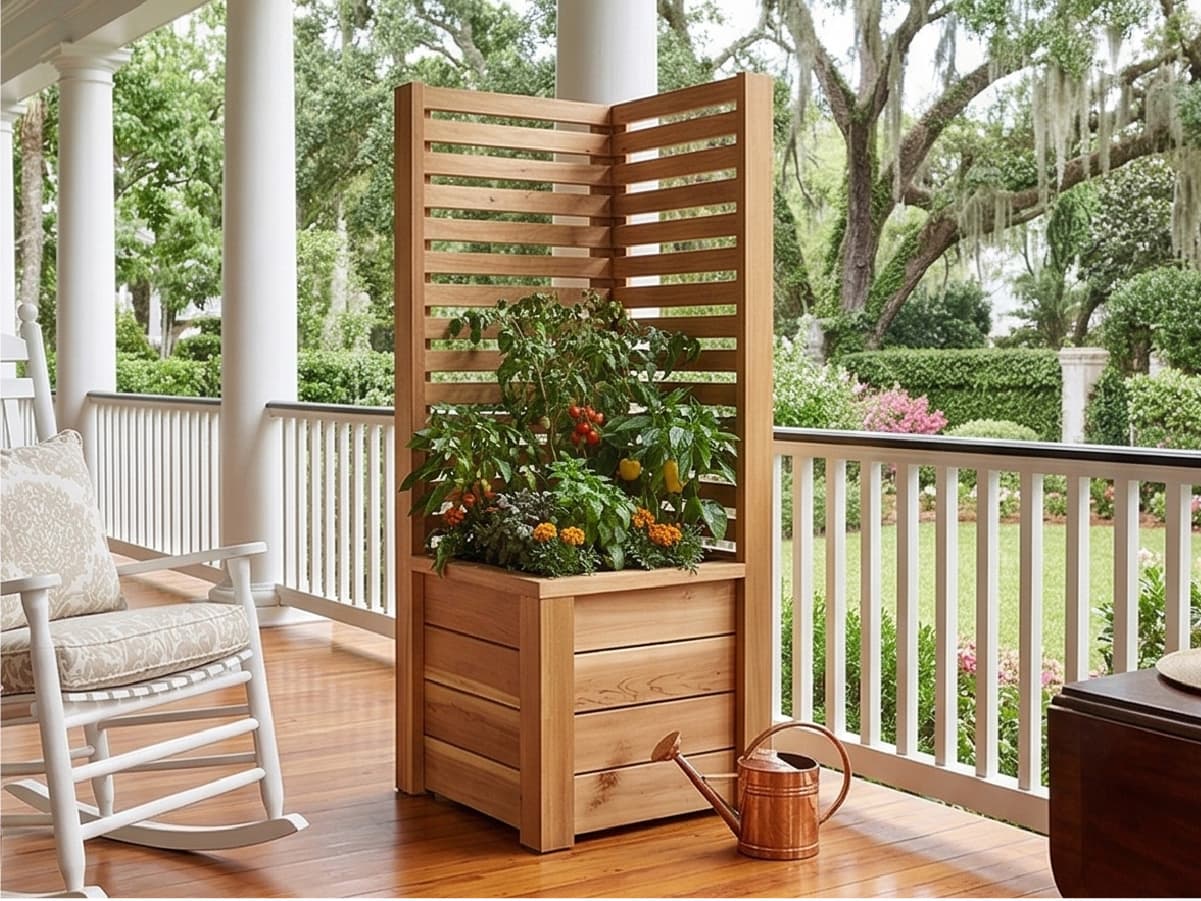
Cucumbers planted in May produce in July and August. Bush Pickle is a compact variety that works in The Two by Four at 12" depth with a trellis. Spacemaster is another container-friendly option. Cucumbers are thirsty plants — once they start producing fruit, water consistently or the fruit turns bitter. Train vines up a trellis or cage to keep fruit off the soil and improve air circulation.
Okra is one of the most heat-tolerant vegetables you can grow in Atlanta, and it produces prolifically from July through October. Clemson Spineless is the classic variety. Burgundy okra is a beautiful ornamental plant with red-tinged stems and pods that turns green when cooked. Okra grows 4 to 6 feet tall and needs The Two by Four at 18" depth for both depth and width.
Southern peas (black-eyed peas, crowder peas, cream peas) are a true Southern garden staple that thrive in Atlanta's summer heat when most other legumes fail. Iron and Clay cowpeas are excellent choices. Direct-sow in a Two by Four planter and harvest fresh peas in about 60 to 70 days.
Plant a second succession of bush beans in May for a July harvest. Blue Lake 274 and Contender both produce in 50 to 55 days. The May planting will come in around mid-July, which extends your bean season well beyond the April planting's run.
Fruits in season
June-bearing strawberries planted in March are starting to fruit in late May. Chandler and Camarosa varieties produce their peak harvest in late May and June. Watch for ripe berries daily since they go from green to ripe to overripe quickly in warm weather. Pick berries when they're fully red all the way to the stem.
Day-neutral strawberries like Albion and Seascape planted in March are also beginning their first fruiting now. These varieties produce smaller but sweeter berries continuously through summer and fall rather than one large concentrated crop.
Care tasks this month
May is the month to establish a consistent watering routine. As temperatures push into the 80s and 90s, containers dry out faster than you expect. Smaller planters like The Two by Two may need daily watering during warm stretches. The Two by Four planters can usually go 2 days, but check them rather than assuming.
Cedar planters regulate soil temperature and moisture better than plastic or metal containers, but they still need attention. If a container feels light when you tap the side, it needs water. Alternatively, stick a finger 2 inches into the soil — if it comes out dry, water thoroughly until it drains from the bottom.
May is when aphids, spider mites, and whiteflies start showing up. Check the undersides of leaves on basil, peppers, and tomatoes. A strong spray of water knocks off aphid colonies effectively. Neem oil is useful for persistent infestations, but apply in the early morning or evening to avoid leaf burn in hot sun.
What to harvest
Cool-season crops planted in March are at their peak and winding down in May. Harvest radishes, lettuce, spinach, and peas aggressively before heat causes bolting. Bolted lettuce is bitter and the plant's productive life is essentially over once the flower stalk emerges. Remove bolted plants promptly and replace with warm-season crops.
Spring cilantro, parsley, and dill are all producing. Harvest cilantro leaves from the top and outer sections of the plant. If you see the central growing point starting to elongate and produce small, lacy leaves rather than the wide flat ones you want, that's the bolting signal. Harvest everything you want before the plant flowers.
Chives are producing their purple flowers in May, which are edible and look beautiful on salads and soups. Harvest the flowers as soon as they open for the mildest flavor. The leaves remain harvestable throughout spring and summer.