Herbs to plant
September is the second major herb planting month in Atlanta, and for cilantro in particular, it's the better season. The fall cilantro crop in Atlanta consistently outperforms spring because the plants have two to three months of ideal cool weather before winter slows them down, rather than the short spring window before heat ends the season.
Sow cilantro seeds directly into The Two by Two at 12" depth in early September. Calypso and Santo are slow-bolt varieties that will give you the longest productive window. September-sown cilantro is typically harvest-ready in 4 to 5 weeks and can produce continuously through November and into December in mild years.
Dill and parsley can also be direct-sown or transplanted in September. Italian flat-leaf parsley is the more practical cooking variety. Fernleaf dill is better for containers than standard tall varieties. Both will produce through fall and can overwinter in mild Atlanta winters, coming back to life in February for early spring harvests.
Divide chive clumps that have been in the same container for two or more years. September is the ideal time for this division because the plants have several months of mild growing weather to re-establish before winter. Dig out the entire clump, pull apart into sections with 8 to 10 bulbs each, and replant with fresh potting mix. You'll have several new productive chive containers from a single overgrown clump.
Flowers to plant
September is when the fall flower palette takes over from the summer one. Chrysanthemums, asters, and fall pansies all go out now for the warm amber and gold tones that define the Atlanta fall garden.
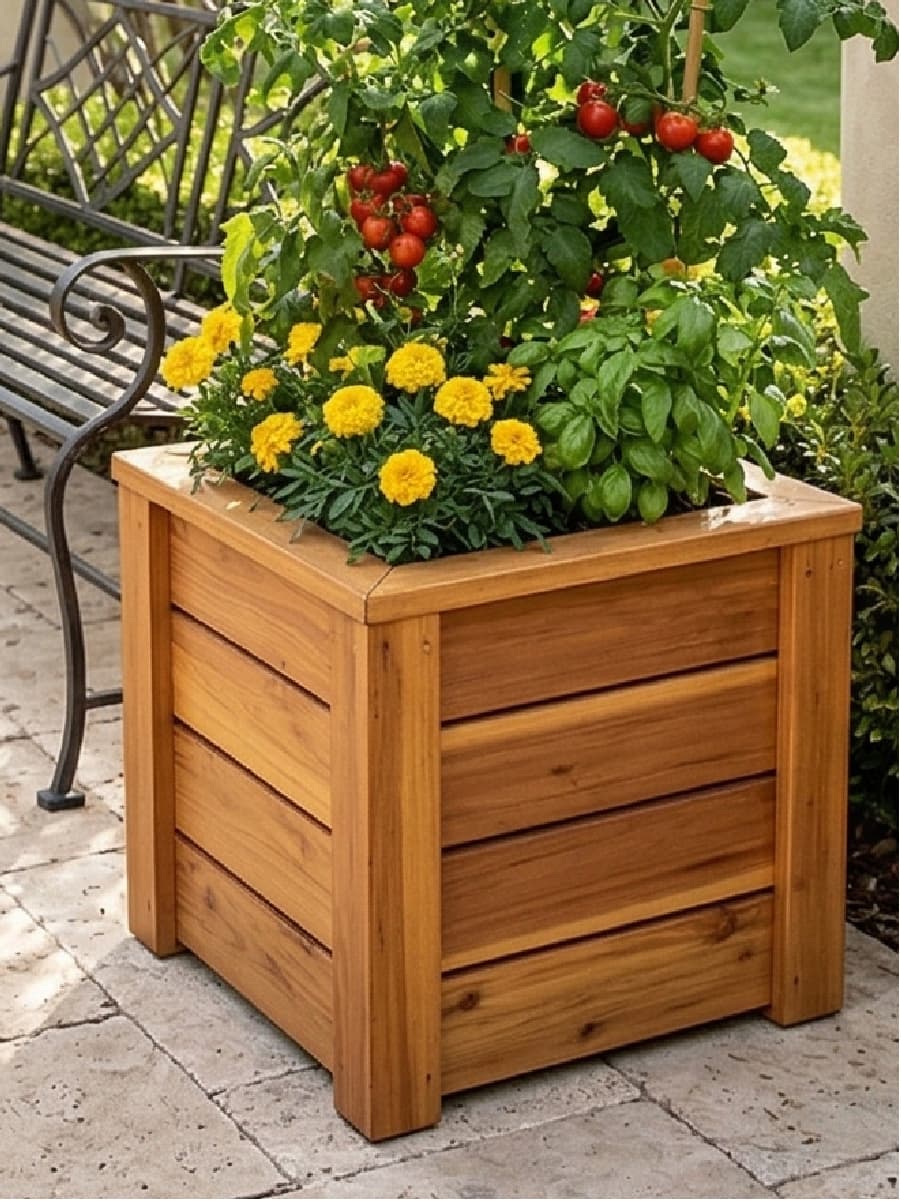
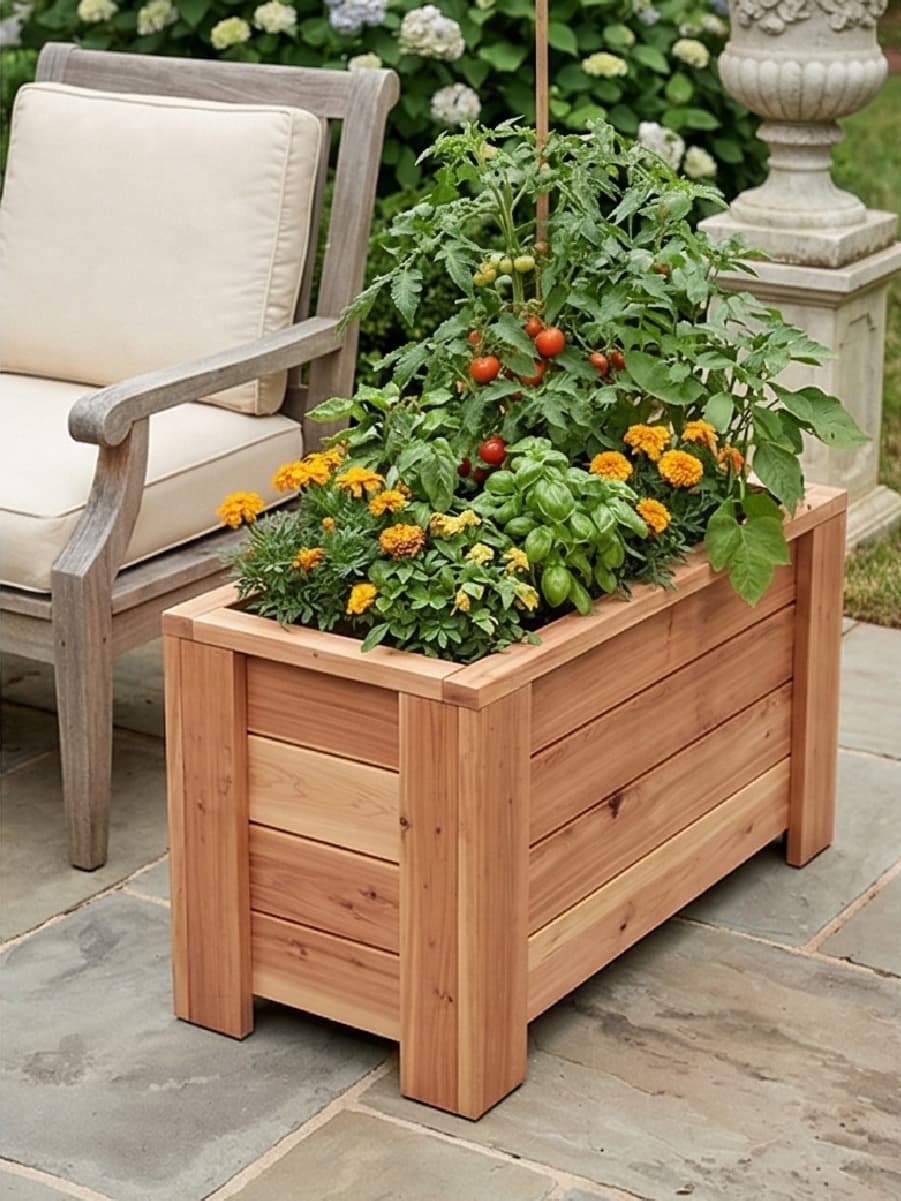
Chrysanthemums (mums) are the quintessential Atlanta fall container plant. Garden mums in fall colors — deep gold, burnt orange, burgundy, and bronze — look beautiful in cedar planters on a front porch or patio. Plant them in full to partial sun for the best bloom density. Pinch off any spent flowers to extend bloom time through October.
Asters bloom from late September through October and are reliable pollinators at a time when most summer flowers have finished. Purple dome and Alma Potschke are compact varieties well-suited to container growing. Both are perennials that return each fall, growing larger over time.
Pansies can go out in September for fall and winter color. Atlanta's climate is mild enough for pansies to overwinter and bloom through winter whenever temperatures stay above 20 degrees Fahrenheit. Mammoth and Matrix series pansies are particularly heat-tolerant and handle the warmer early September temperatures better than standard varieties.
Fall salvia is at its best right now. Salvia cut back in late August is flushing out new growth and beginning a second bloom cycle that continues through October. Victoria Blue, Black and Blue, and Mystic Spires are all beautiful and attract migrating pollinators.
Vegetables to plant
September is arguably the most productive planting month of Atlanta's fall season. The temperature moderation opens up a wide range of cool-season crops, and the mild fall ahead gives everything plenty of time to mature.
Direct-sow lettuce, spinach, and arugula seeds in September for harvests that begin in October and continue through December. Buttercrunch and Little Gem lettuce are reliable Atlanta fall varieties. Bloomsdale spinach and Tyee spinach both handle light frost without damage. Arugula is fast (harvest-ready in 30 to 40 days) and adds a peppery note to fall salads.
Radishes are the fastest fall vegetable you can plant. Cherry Belle radishes are ready to harvest in just 22 days from sowing. Make several small sowings throughout September and October for continuous radish harvests into November.
Turnips and mustard greens are classic Southern fall crops that do very well in Atlanta containers. Purple Top White Globe turnips grow well in Two by Two planters at 12" depth. The greens are edible and the roots develop in 55 to 60 days. Southern Giant Curled mustard greens are fast (30 to 40 days), productive, and add a tangy, spicy element to fall salads and sautees.
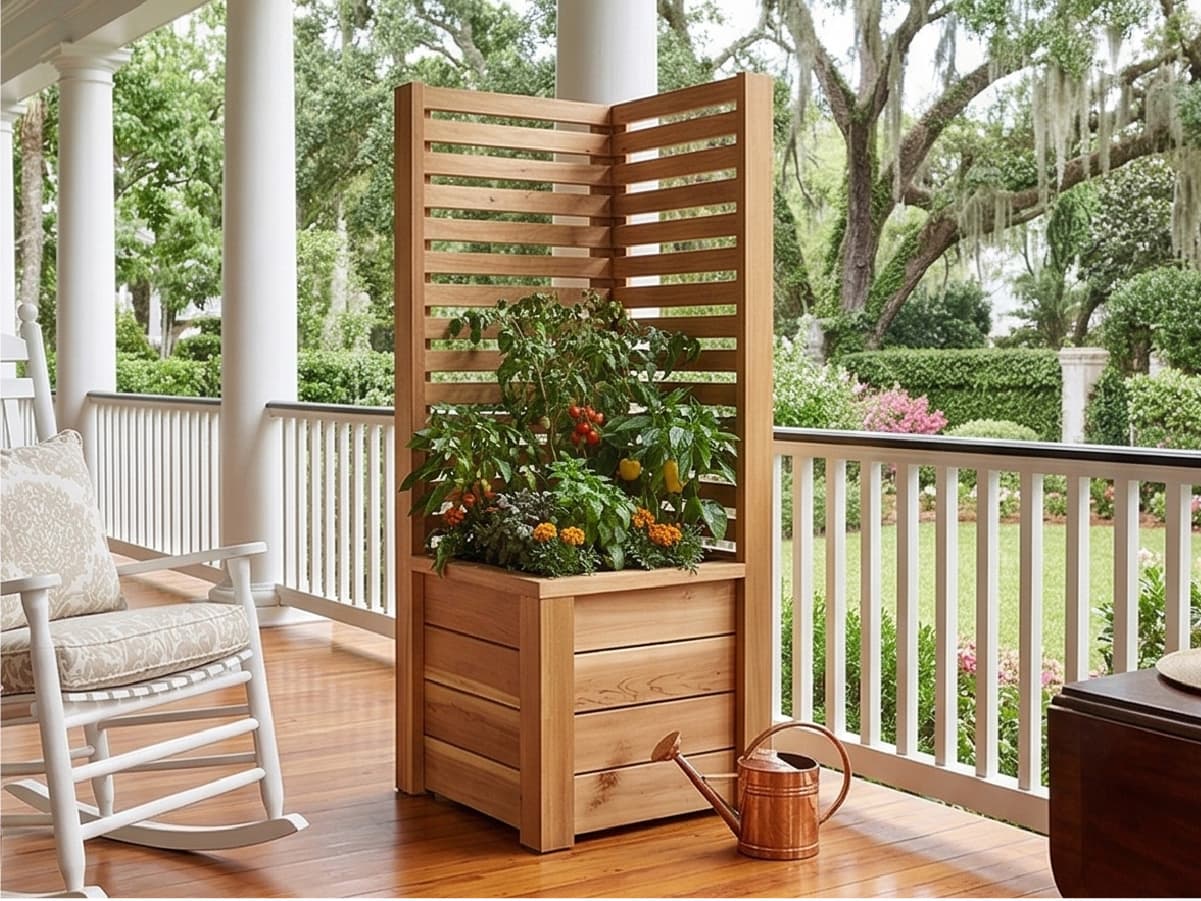
Transplant kale and Swiss chard started indoors in August, or purchase transplants now. Lacinato (dinosaur) kale and Bright Lights chard are both productive and beautiful in cedar planters. Kale improves in flavor after the first frost, when cold temperatures convert starches to sugars.
Fruits in season
September is a good month to plant day-neutral strawberry crowns for spring production. Albion and Seascape varieties planted in September will establish a strong root system through fall and winter, then produce an excellent spring harvest beginning in April and May. September plantings often perform better their first year than spring-planted crowns because the established root system supports stronger fruit production.
Figs continue their main crop harvest through September. Brown Turkey and Celeste varieties are still producing on mature plants, though the pace slows compared to August's peak. Fresh figs with honey and walnuts, or roasted with balsamic and thyme, are excellent September eating.
Care tasks this month
September is a good time to assess container soil quality and refresh mixes before fall planting. Potting mix that held tomatoes or cucumbers through a full summer has been depleted of nutrients and may have lost structure. Replace it or top-dress with 2 to 3 inches of compost and work in a balanced slow-release fertilizer.
Watering frequency decreases naturally in September as temperatures drop and days shorten. Adjust your watering schedule accordingly. Overwatering in cool fall weather is a more common problem than underwatering, because people stick to their summer watering habits after the heat subsides. Check soil before watering rather than watering on a fixed schedule.
Begin pulling out summer crops that have run their course. Tomato plants with heavy disease load, exhausted squash, and spent cucumbers can all come out in September to make room for fall plantings. Healthy, still-productive summer crops can stay until frost claims them in November.
What to harvest
Summer crops are still producing in early September. Tomatoes, peppers, eggplant, and basil are all active. The harvest pace slows as the month progresses and days shorten, but you still have 2 to 3 months before frost.
Figs are at their best in early September. Harvest ripe figs daily and preserve what you can't eat fresh. Fig preserves, fig jam, and dried figs all keep well and extend the harvest well into winter.
If you sowed cilantro in late August, the first harvest may be possible in late September. Snip leaves from the outer parts of the plant, leaving the center growing tip intact for continued production.