Herbs to plant
Late August is the restart of cilantro season in Atlanta. After a summer of being too hot for cool-season herbs, the gradually shortening days and the beginning of temperature moderation in late August create the right conditions for cilantro and dill to thrive again.
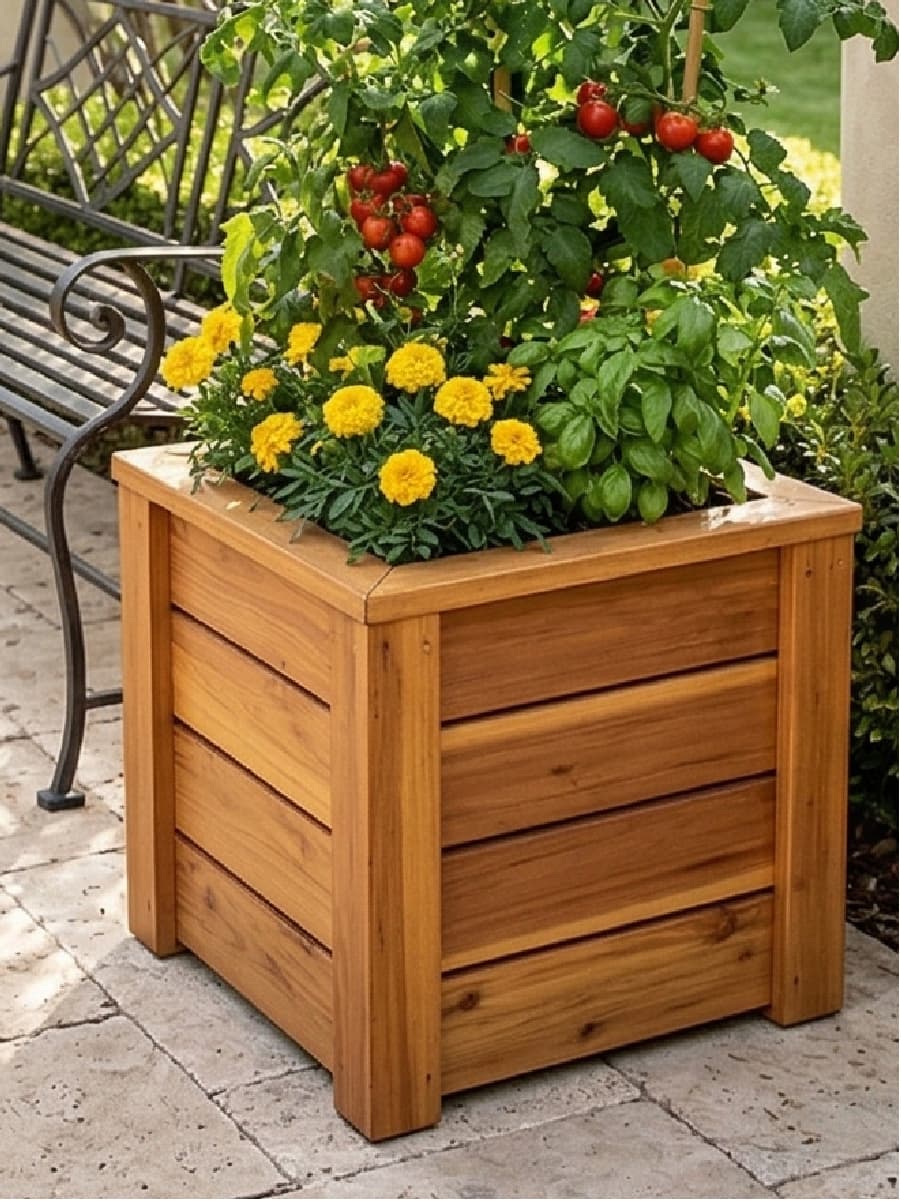
Sow cilantro seeds directly in The Two by Two at 12" depth in the second half of August. The seeds germinate best when soil temperatures are between 55 and 68 degrees — if August is still extremely hot when you're planting, germination may be slow or spotty. Wait for a stretch of cooler nights if you can. Calypso and Santo are the slow-bolt varieties that will give you the longest fall harvest window before cold shuts them down in December.
Dill seeds can also go in during late August. Fernleaf dill is a compact variety that works well in containers and produces excellent feathery foliage for fresh use. Dill sown in late August will be harvest-ready by October and can continue producing into November with mild fall weather.
Continue harvesting and preserving basil, rosemary, oregano, and thyme through August. These are still in peak production. A late-August harvest of basil for pesto-making — processing large batches and freezing in ice cube trays — is one of the most satisfying and practical things you can do with your summer container garden before frost eventually ends it.
Flowers to plant
Leggy salvia that has been blooming since spring benefits from a cut-back in late August. Trim stems back by about a third to encourage a fresh flush of new growth and a second wave of fall blooms. This rejuvenation pruning is particularly effective on blue salvia (Victoria Blue) and red salvia, which can put on a spectacular display in September and October after a late-summer cutback.
Zinnias and marigolds are still blooming through August but may be looking tired after a long summer. Deadhead consistently and give planters a dose of liquid fertilizer to encourage fresh blooms through September. If plants look truly exhausted, pull them out and replace with fall annuals like ornamental kale or pansies in late August.
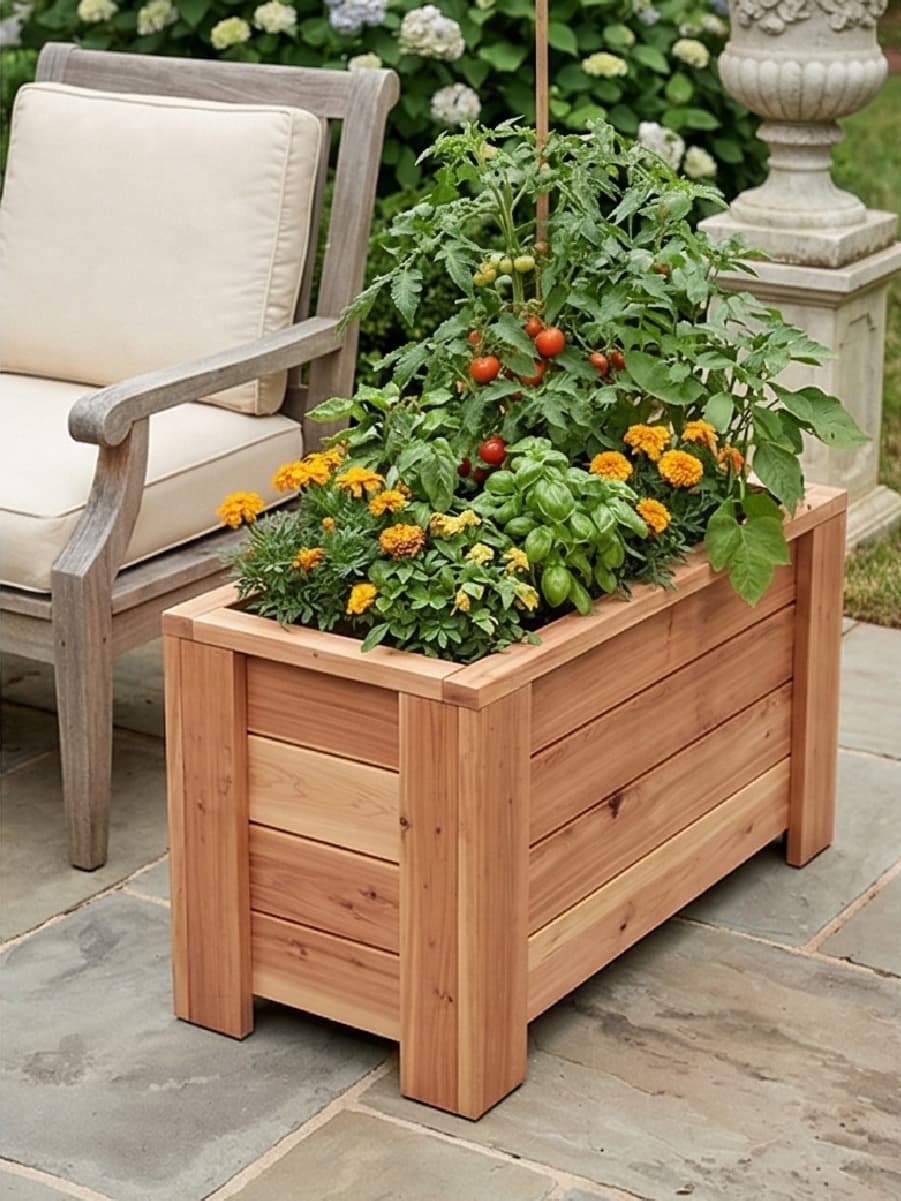
Late August is a good time to plant ornamental grasses for fall and winter interest. Little Bluestem and Muhly Grass are both Atlanta-native or adapted grasses that turn beautiful shades of copper, red, and pink in fall. They work well in large containers like The Two by Four and provide structure through winter after everything else has finished.
Vegetables to plant
August straddles the transition between the summer and fall garden, and you can work both sides of that divide this month.
In early August, plant a final succession of bush beans for a harvest in September. Blue Lake 274 and Contender both produce in 50 to 55 days, which puts the harvest in late September and early October. This is one of the better September vegetables because the cooler temperatures actually improve the texture and sweetness of the beans compared to summer harvests.
Early August is also a viable window for cucumbers. Bush Pickle planted in early August will produce fruit in late September, which works well for a fall pickling batch. The plants won't be as vigorous as spring plantings, but they'll produce usable fruit before frost arrives.
In late August, broccoli, cabbage, and kale transplants started indoors in mid-July are ready to go outside. Belstar broccoli and Lacinato kale are excellent choices for Atlanta fall container growing. Transplant into well-prepared containers with fresh potting mix and a slow-release fertilizer topdress. Water them in well and provide afternoon shade for the first week if temperatures are still above 85 degrees during the day.
Direct-sow carrots and beets in late August into a Two by Two at 12" depth (they need at least 10 to 12 inches of depth). Carrots sown in late August harvest in October and November. Nantes and Chantenay are the most reliable container carrot varieties. Beets are dual-purpose — the roots are excellent roasted, and the greens are edible as salad greens and cooking greens throughout the growing period.
Fruits in season
Figs are in their main crop in August. Brown Turkey and Celeste — the two most common Atlanta fig varieties — produce their largest and most prolific crop from August through September. A mature fig in a large container can produce dozens of figs per week during peak season. Figs are ripe when they're soft, hanging downward, and beginning to weep a small drop of nectar from the base. Underripe figs are firm and upward-pointing.
Day-neutral strawberries continue producing through August in smaller flushes. The berries are typically smaller than spring fruit but concentrated in flavor. Keep the soil consistently moist and remove runners to maintain production.
Care tasks this month
August requires a mental shift. You're still managing the peak summer garden, but you're also beginning to plan and prepare for the fall garden. The two seasons overlap in August more than any other month.
Continue watering daily for warm-season crops. The heat is still intense in early August and containers dry out fast. The Two by Two may still need twice-daily watering during heat waves. Monitor soil moisture morning and evening for small containers and water whenever the top inch is dry.
Clean out any containers that held cool-season crops finished in June. Remove spent plants, refresh or replace potting mix, and prepare these containers for fall planting. Adding a few inches of compost and working in slow-release fertilizer gives the mix a fresh start.
Evaluate which summer plantings are worth keeping through fall and which have run their course. Tomato plants that are diseased, producing poorly, or exhausted from the season can be pulled out in August to make room for fall crops. Healthy, productive tomato plants can stay in through October. Make honest assessments and don't hold on to plants that aren't performing.
What to harvest
Tomatoes, peppers, cucumbers, and squash are still producing in August, and the harvest pace remains demanding. Check plants every day or every other day and pick ripe vegetables promptly. Leaving overripe vegetables on the plant signals it to slow or stop production.
Figs are a daily harvest in August during peak production. Figs do not keep long after picking — eat or preserve within 2 to 3 days. Fig jam and preserved figs are excellent ways to manage a large harvest. Fresh figs with prosciutto and goat cheese are one of the best things about growing your own.
Harvest basil generously through August before frost eventually claims it. Process large batches into pesto and freeze in portions. You'll appreciate having homemade pesto in January from herbs you grew yourself.